
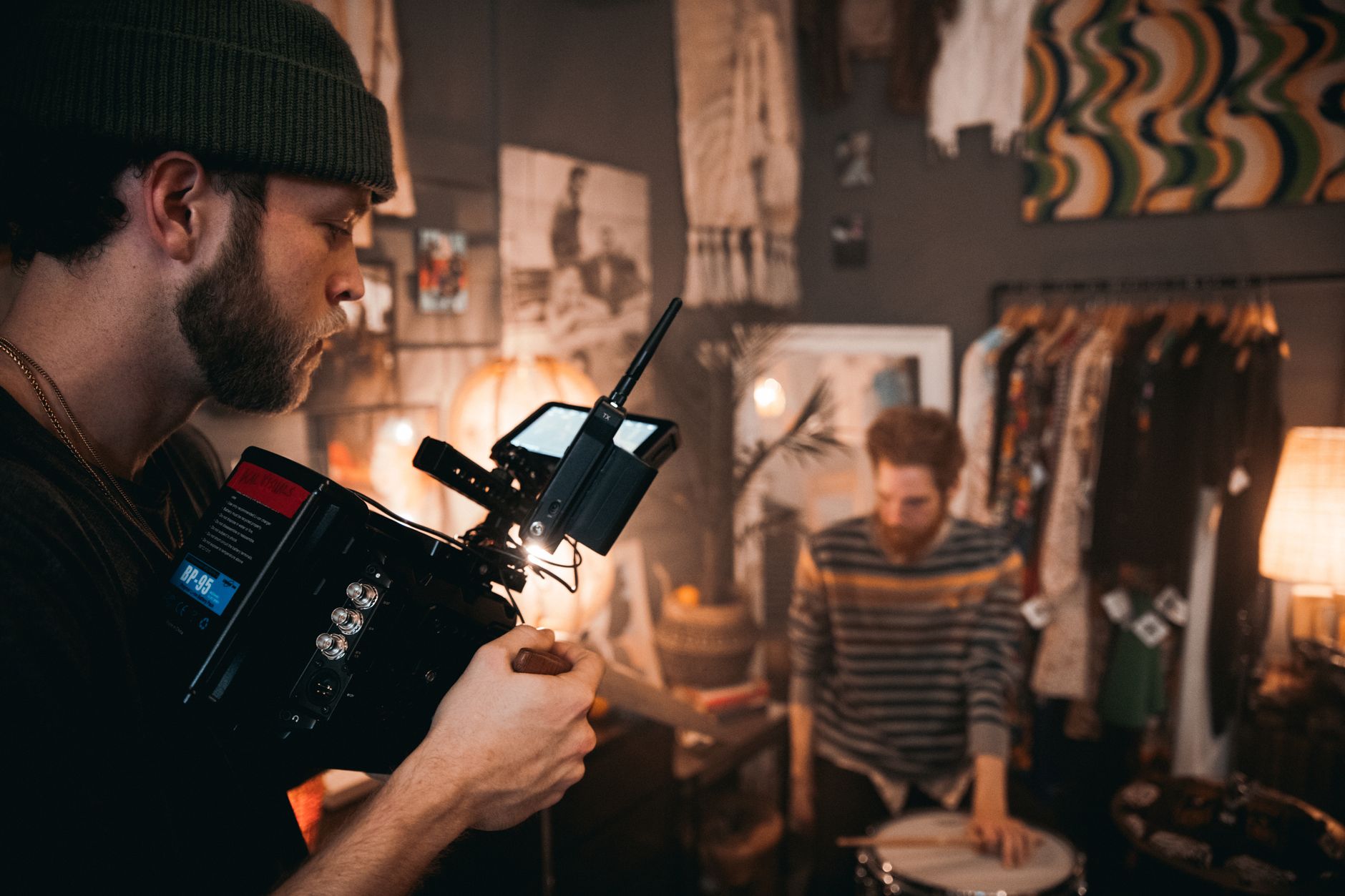
Usually, no. Paying for a music video normally buys you the finished video you were delivered, for the uses you and the crew agreed on. By default you get nothing more than that. Who owns the footage, who keeps the raw files and where the clip is allowed to run are three separate questions. Each one is settled by what was written down. Paying for the shoot does not settle any of them.
A quote that says 'music video, 3 minutes, two shoot days', plus a deposit, answers none of those three questions. So the arguments start after the shoot: the clip is out, and everyone remembers the deal differently. The fix is to put deliverables, ownership, raw files and usage on paper before the first shoot day, in an audiovisual services contract.
A deliverable is the file, a right is what you may do with it
A deliverable is what lands in your inbox: a 3-minute master, a vertical cut for TikTok, a set of stills for the cover. A right is permission to do something with it: post it on YouTube, run it as a paid ad, hand it to a festival for their trailer. Quotes list deliverables in detail because that is what the crew is pricing. Rights are usually missing because nobody thinks about them until someone wants to use the clip somewhere new.
For example, imagine Marisol, a singer in Madrid, hires a two-person crew for her single. She gets a beautiful final file. Months later, a drinks brand sponsoring her tour asks to run the video on its channels. The quote says nothing about letting a third party use it. She has the file, but she can't confirm she has the permission. The crew may have no objection, or they may want a fee. Either way, she now has to ask.
An audiovisual services contract closes that gap. It lists the files, and next to each one it says what each side may do with it. Musilock generates that document in English and Spanish and sends it for e-signature, so the artist and the crew sign the same terms before anyone sets up a camera.
Raw files go to whoever the contract names, so name someone
Raw footage and project files are a separate item from the finished video. That means the unused takes, the edit timeline and the color grade. Whether they get handed over is one of the deal's terms. Nobody gets them automatically. Many crews keep them unless the contract says otherwise.
Both sides have fair reasons. The artist wants the raws to cut a teaser, a behind-the-scenes clip or a second edit without paying for a new shoot. The crew may not want unfinished work circulating under their name. They may also be storing large files they never priced in, or they may charge for handover separately. None of that is unreasonable. It just has to be agreed before the shoot instead of argued about afterwards.
A contract can settle the raw files in one of several ways:
- Raw files delivered together with the final cut, included in the price.
- Raw files delivered for a separate, stated fee.
- Raw files kept by the crew but archived for an agreed period, with the artist able to request specific shots.
- Raw files kept by the crew, with no handover, stated plainly so nobody is surprised.
Usage rights decide where the clip can run, for how long and for whom
Usage rights are the part people skip and later regret. In plain terms, they answer four questions:
- Which platforms: only your own channels, or also paid ads, TV and screens at live events.
- For how long: with no end date, or for a set period.
- Where: worldwide, or certain countries only. The same logic as the [territory clause in your other contracts](/en/blog/your-audience-is-growing-in-another-country-check-the-territory).
- Who else: whether a brand, label or festival can run it, and on what terms.
Say you paid $1,500 for a two-day shoot, and your sponsor now wants a 15-second cut for an ad on its own account. If the contract granted use 'on the artist's channels', a sponsor's paid ad falls outside it. If it granted use 'in all media, including promotion by the artist's partners', you can say yes the same day. It is the same file either way. Only the permission is different.
Or picture Tomás, an artist and producer in Mexico City, who wants to cut a lyric video for his next single from the same footage. That makes it a new piece built from the original material. If the deal only covered the delivered video, he has to go back to the crew. If it allowed new edits from the delivered footage, he doesn't. Brands work the same way: a brand paying for your song does not make the song theirs, and paying for a shoot does not, on its own, decide every use of the video.
Credit, approvals and the director's reel belong in the same paper
Once the edit starts, three practical points cause friction:
- Final cut: who signs off, and whether the artist's approval is required before anything is published.
- Revisions: how many rounds are included, and what each extra round costs.
- The crew's own channels: whether they can post the full clip or an excerpt, with or without their logo, and from what date.
For example, a director might post the whole video on their reel, watermarked, the week before your premiere. A crew expecting to show its work is reasonable. That's how they get hired again. The fix is timing and format: an excerpt, after release, credited the way you both agreed. Put the credit line in writing too, so it shows up the same way in the video description and on the crew's site.
If the files are withheld now, write down what was agreed, paid and delivered
Write one short, calm message that records three things: what was agreed, what you paid and when, and what you received and what is still missing. Attach the quote, the invoices and the relevant messages, including WhatsApp or email threads. Ask for one specific thing by one specific date.
That turns 'they won't send my files' into a specific claim the other side has to answer. It doesn't guarantee an outcome, and nobody can predict how your dispute ends from a blog post. If the stand-off continues, that record is the first thing a lawyer will ask to see.
The video that is out can't be re-papered, but the next shoot can
The clip already online stays under whatever was said at the time. The next shoot is usually weeks away, which is enough time to fix the paperwork. Read the crew's proposal the way you would read any contract someone sends you, and check that raw files, usage and approvals are named. The same applies to audiovisual work at a residency or a live session shoot.
You can write these terms into an email and ask the crew to reply that they agree. Musilock exists because most artists never get round to it, and because a signed bilingual document is easier to point to later than a scattered thread.
This article is general information, not legal advice; if this is your situation, talk to a lawyer.
Frequently asked questions
If I paid for my music video, do I own it?
Not automatically. Payment usually gets you the delivered video for the uses that were agreed. Ownership of the footage, possession of the raw files and permission to use the clip in new places are separate terms. If your quote or contract doesn't mention them, the answer depends on what else was said and where you are. That is why it's worth writing them into the deal before the shoot.
Can my videographer refuse to send the raw files?
They may be able to if the contract doesn't list raw files as a deliverable. Raw footage and project files are a separate item from the finished video, and many crews keep them unless the paperwork says otherwise. If you need raws for teasers, lyric videos or later edits, ask for them in writing before the shoot, with any extra fee spelled out.
Can a brand repost my music video without asking?
Only if someone with the right to give that permission gave it. A brand running your clip in an ad is a third-party use. It should be covered in your deal with the crew and in your deal with the brand. If your video contract only allows use on your own channels, you may need the crew's agreement before you say yes to a sponsor.
Can the director put my music video on their reel?
It depends on what you agreed. Many crews expect to show their work, and that is reasonable. A contract can say when they may post it, often after your release. It can also say whether they can post the full clip or only an excerpt, and whether a logo or watermark is allowed. Without those terms, expect a disagreement around your premiere.
What to do now
- Find the quote, invoices and messages for your last video and note what they say about raw files and usage.
- Before booking the next shoot, list the platforms, period, countries and third parties you expect the clip to reach.
- Ask the crew in writing whether raw files are included, and what they cost if not.
- Agree the revision rounds, who approves the final cut and when the crew can post the work.
- Put all of it in an audiovisual services contract and get it signed before the first shoot day.
- If your files are being withheld now, send one written summary of what was agreed, paid and delivered.