Most independent artists check their Spotify dashboard more than they look at their own crowds. Streaming numbers feel like real data: monthly listeners, saves, skip rates. But those numbers tell you almost nothing about who your actual fans are. The person who drives across town, pays for a ticket, finds parking, and stands for three hours is a different category of supporter entirely. Someone who let your song play on a playlist while they scrolled is not in the same conversation.
Showing up costs something, and that cost is the signal
When someone attends a live show, they have already committed time and money before you play a single note. Ticket price, gas, parking, potential merch spending, and several hours of their evening. That combination separates a fan from a listener in concrete terms.
Streaming data is passive. A monthly listener count includes everyone who heard your song on someone else's playlist. An attendance figure is a self-selected sample: people who chose you specifically, planned around you, and spent on you. That is a cleaner signal of real support than any follower count.
That is also the foundation worth documenting. Musilock generates live performance contracts so each show has a clear, signed record of the terms, the payment, and the night. That paper trail is part of a career history you can actually point to.
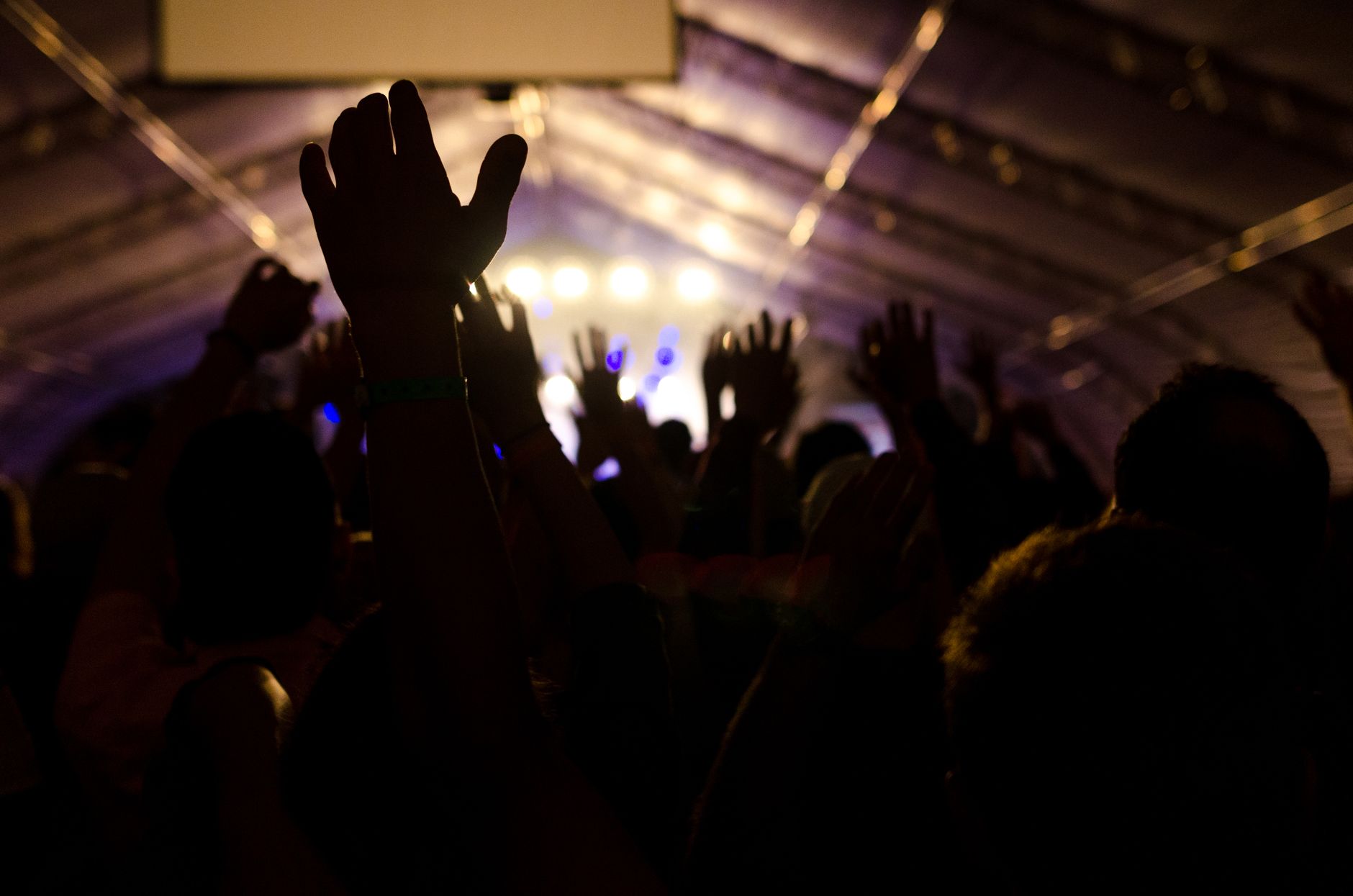
A crowd photo carries more data than a thousand streams
What your fans wear to your show, where they position themselves, when they arrive, and how much content they capture are all readable signals. You do not need a marketing team to start reading them.
Merch is one of the clearest. If a specific design keeps appearing in crowd photos, that design connected. If a visual element is emerging that you did not create, pay attention. The Taylor Swift friendship bracelet tradition began as something fans invented at shows, not something a brand team planned. Artists who build long relationships with their audiences are the ones who notice those fan-created moments and move with them.
Photos carry timing data too. What time fans arrive, whether they stay for the full set, what their expressions look like during specific songs. These details are available to any artist willing to look at the fan content coming out of their shows.
The volume of content fans capture is itself a signal. Someone filming dozens of clips at your show is sacrificing part of their experience to preserve it. That level of commitment looks nothing like someone who takes one photo for Instagram. High capture volume tracks closely with high emotional investment.
High engagement at small scale is what brands are actually paying for
When brands consider artist partnerships, they want a return. A large follower count with low engagement is less useful than a smaller audience that consistently shows up, buys things, and talks about the artist in real life.
An artist playing club-capacity rooms with consistent sell-outs and visible merch sales has proof of engagement that a streaming screenshot does not provide. The percentage of fans taking real-world action is what matters when you are pitching a brand deal. That case is easier to make from documented live history than from a monthly listeners number.
Smaller artists often underestimate this. If most attendees at a club show buy something or post about it afterward, you have an engagement percentage that a major arena act may not match. Brands evaluating early partnerships look for exactly that ratio, and live shows are where you prove it.
Community and audience behave differently at your shows
An audience receives. A community contributes. The distinction shows up clearly at live shows. Someone who watches quietly and leaves is part of your audience. Someone who films, posts, tags you, brings friends to the next show, and starts wearing something they first saw at one of your concerts is part of your community.
The person holding a handmade sign, the group who coordinated their outfits online before the show, the fans who arrive an hour early every time: these behaviors carry meaning. They tell you what is connecting and what is not, without a survey or a data tool.
The artists building durable careers treat live shows as community events rather than one-off deliverables. The show is the point of contact. Everything flowing from it, including the repeat attendance, the fan-made content, and the patterns in who comes back, is the actual fan relationship.
None of that relationship builds well on a chaotic night. A show without a signed agreement invites disputes over load-in times, payment terms, and who owns the recording from the evening. A live performance contract from Musilock clears those terms before you arrive at the venue, so the show itself is what you focus on.