A brand licensing coordinator found a track she wanted for a paid TikTok campaign. The artist was independent. The song was two years old. The deal collapsed before a contract was drafted, because the string player on the recording had never signed anything, and nobody could locate her.
That scenario plays out more often than most artists realize, and it is becoming more costly as micro-licensing for the creator economy moves from an idea to actual paid transactions.
Brands on TikTok now need sync licenses, and the market is paying
Adding a song to a personal TikTok video is frictionless. That works because major labels and larger independents have blanket licenses with the platform covering user-generated content. Those blanket licenses do not cover brand or business use. A small clothing label using a track in a paid promotion needs a sync license, the same kind a film production would need, just priced differently.
In August 2025, TikTok launched a dedicated Commercial Music Library to handle exactly this, giving business accounts a place to license music properly for promoted content. The infrastructure now exists. What is missing, for most independent artists, is the documentation on their end that would let their music participate in it.
This is not a niche situation. Millions of brands, from multinationals to the small local business buying a digital ad, fall into the category that requires a proper license. The volume of that demand is what makes micro-licensing a real income stream, not a category reserved for major label catalogs.
Every rights holder must license their share separately
A single track can involve multiple rights holders. Songwriters and their publishers each own a share of the composition. The artist or label owns the master recording. When a sync deal is on the table, every one of those parties must agree to license their own rights independently. One missing or undocumented party stops the deal entirely.
For a major label release, teams of rights managers handle this process. For an independent artist, those roles often do not exist. The artist is expected to arrive with clean documentation, and most do not have it.
An unsigned session musician can kill a sync deal on its own
Sync agents and licensing platforms ask for performer release agreements and studio releases before accepting a track. These documents confirm that every musician who contributed to the recording has signed off, either transferring their rights in the master or clearly defining what they retain.
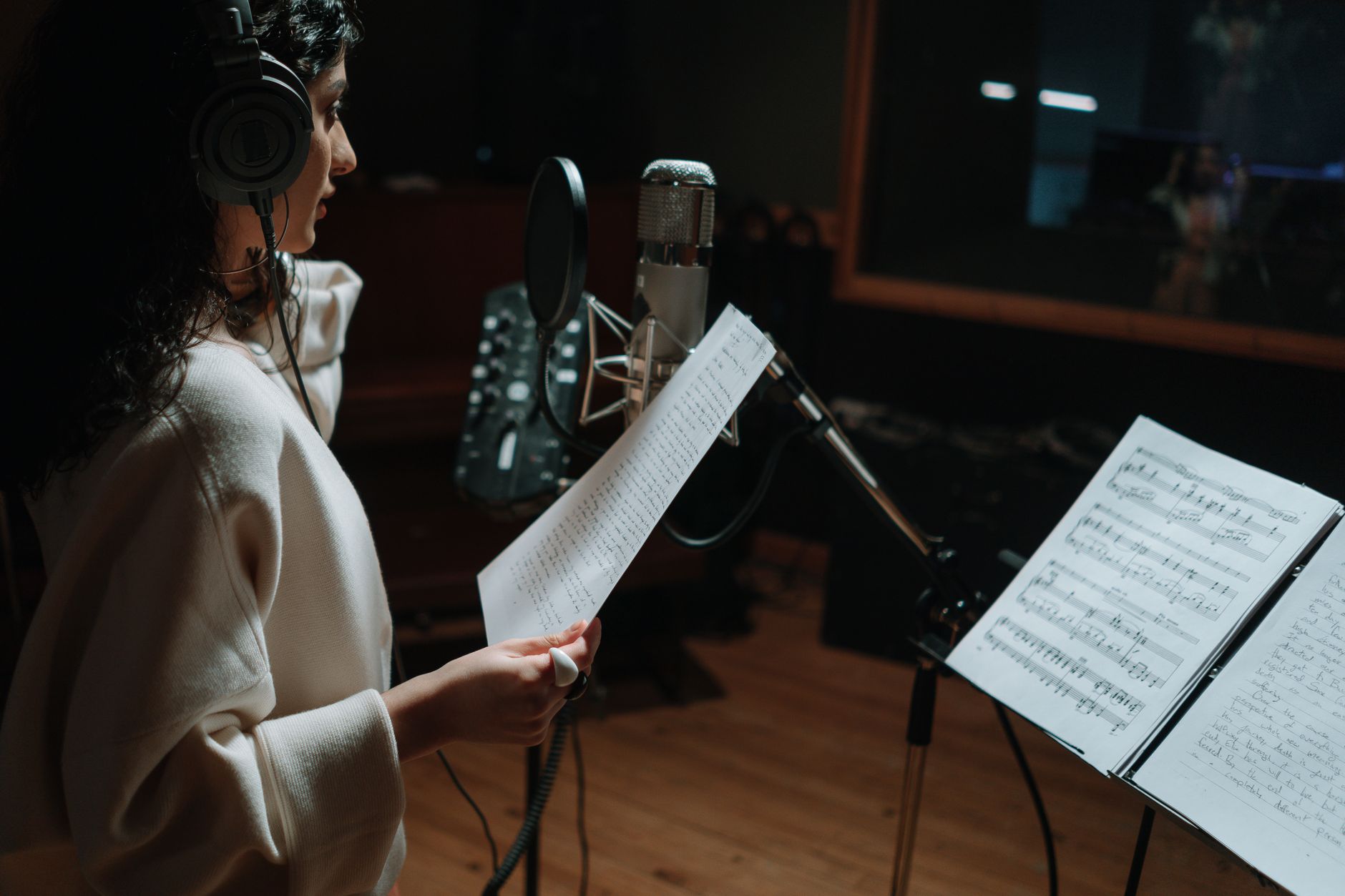
When you called in a friend to play violin at your session two years ago, you probably did not think about a contract. That informal arrangement may mean she holds an interest in your master recording, with no paperwork to prove otherwise. Licensing coordinators cannot work around that uncertainty. They move on to the next track.
This is the documentation gap that Musilock is built to close: the rights paperwork most independent artists put off until a deal is already on the table, at which point it is usually too late to go back and get signatures.
Clicking 'I own the rights' in a dashboard is not documentation
Many distribution platforms include a checkbox in their onboarding flow asking whether you own the rights to what you are uploading. Ticking that box is a legal assertion. It is not proof. If the underlying rights are undocumented or disputed, the self-certification provides no cover when someone actually checks.
What happens when an undocumented track enters a real licensing pipeline? The track gets pulled. The artist may face a claim from the session musician whose rights were never addressed. The deal disappears. The checkbox clicked years ago is irrelevant.
Three documents determine whether your music is licensable
The work is not complicated, but it cannot be done retroactively. These are the three things that put you in position to say yes when an inquiry arrives.
- A work-for-hire agreement signed with every session musician at the time of recording. This establishes that the master belongs to you, not to contributors who played on it.
- A split sheet signed with any co-writer at the time of writing. This records each person's ownership percentage in the composition before anyone has a reason to dispute it.
- A clear picture of who controls your publishing, whether that is you through self-administration, a publisher, or a distribution deal that includes publishing services.
None of this requires a lawyer or a management team. It requires the habit of getting things in writing before informal arrangements become legal problems.
Musilock generates bilingual music contracts and sends them for e-signature, so getting a session musician's agreement signed takes minutes, not weeks. A work-for-hire signed the day after a session is worth far more than a verbal understanding you try to reconstruct when a licensing inquiry comes in.
The opportunity will not wait for you to get organized
The creator economy produces content at a volume that makes traditional licensing impractical for everyday use. Micro-licensing platforms are building the infrastructure to fill that gap. The rights holders who benefit will be the ones whose documentation was already clean before the inquiry arrived.
The artist who signed her session players, filed her split sheets, and knows who controls her publishing is the one who can say yes when a licensing platform comes calling. That is still a short list. It does not have to be.
Musilock exists because most artists never get around to the paperwork. Getting around to it now, before the deal, is the only version of this that actually pays.