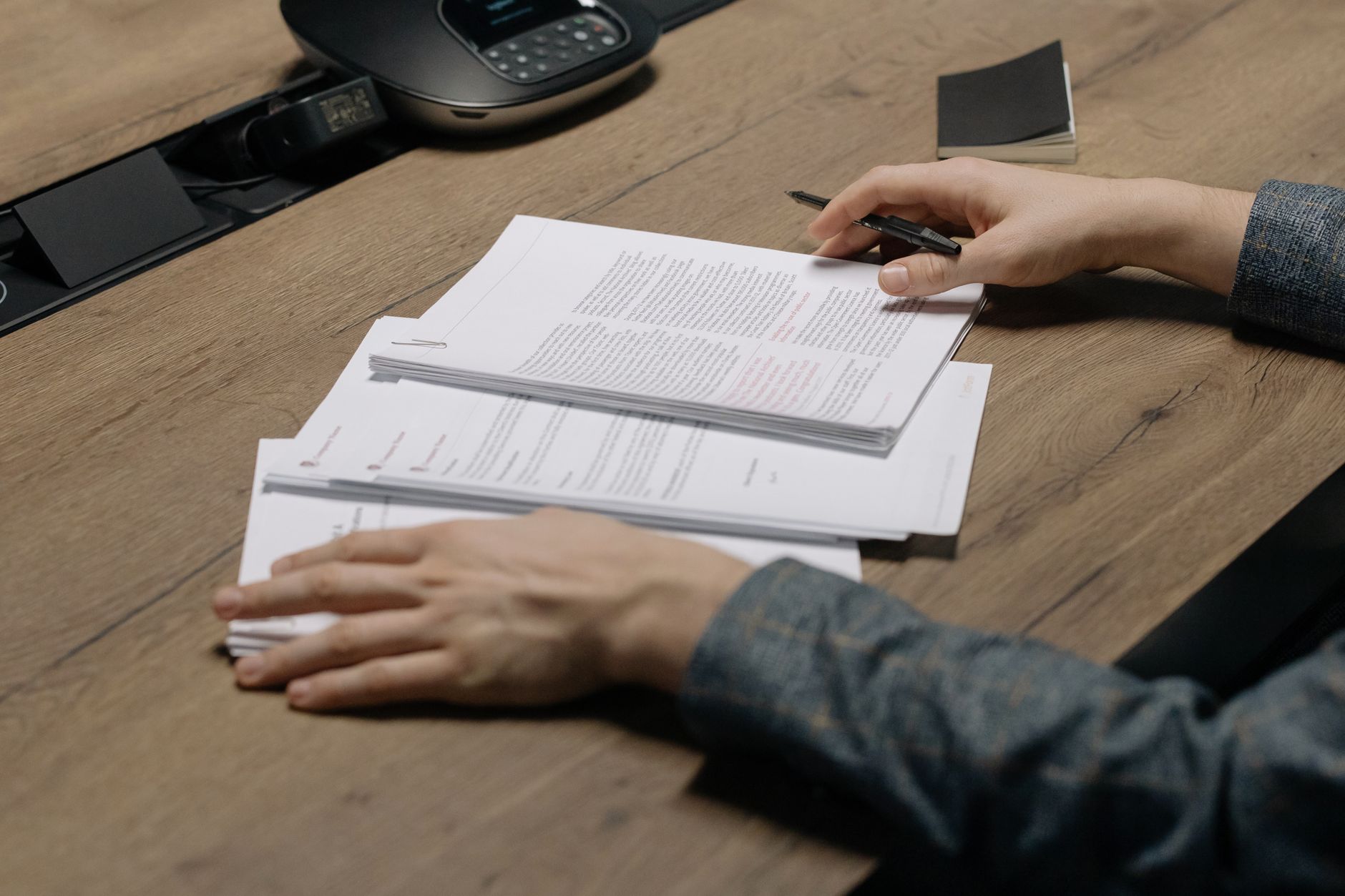
What happens next depends almost entirely on what was agreed in writing. If nothing was put in writing, the argument shifts from enforcing a term to proving a deal existed at all. That reframe is the actual problem.
If you produced a record, engineered it, or played on it, and the money never came, this tends to look like one of a few things: the other person promises next month and never pays, paid half and went quiet, or the label paid them and the money never reached you.
This post does not advise on your specific situation. What it does is describe how these arrangements normally work and what tends to be at stake. If you are considering legal action, a lawyer in your jurisdiction is the right person for that conversation.
No contract does not mean no evidence
Most people in this situation assume they have nothing because they have no signed document. That is not how it works. The full picture of what was communicated between two parties is fair ground for establishing whether a deal existed and what it said.
- Messages naming a specific amount, even in a DM or a voice note screenshot
- A partial payment, which shows that some agreement existed and some part of it was performed
- Dated session files or project folders that place you on the work at a specific time
- Credits on the release naming you as producer or engineer
- Any message confirming delivery of stems, a final mix, or a specific format
None of these wins the argument alone. But they convert "there was no deal" into a dispute about what the deal said. That is a more useful position.
The goal in assembling this is not to win a lawsuit. It is to have something specific to point to, whether you are contacting the other party directly or consulting a lawyer. Specific is better than vague in every conversation that follows.
The partial payment case is worth noting. A payment for part of the agreed fee establishes two things: that a deal existed, and that part of it was performed.
A signed agreement closes every gap a handshake leaves open
The specific fights that come up in these situations are predictable because the same questions are almost never written down.
- The fee amount and when it is due: on delivery, on release, or a set number of days after invoicing
- Whether the payment is a flat fee, a share of master royalties, or some combination
- Who owns the recording if the project stalls, gets shelved, or the relationship breaks down
- What delivery actually means: file format, revision rounds, stems
- What happens if the release slips by months, or never comes at all
Every one of those is a judgment call. Two people can remember it differently without either one lying. A producer agreement does not make those calls for you. It records the call both parties already made, before anyone's memory has a reason to shift.
Musilock generates bilingual producer agreements that cover each of these points and sends them for e-signature from a phone. The template exists because the absence of this paper is what creates situations like the one that brought you here.
The one step available to you right now
If there is no signed agreement, the most concrete thing you can do today is put the terms as you understood them in writing and send them to the other party. Keep the tone factual: what was agreed, what was delivered, what has been paid, and what is still outstanding.
This creates a dated record. It also requires the other person to accept that account or dispute it in writing. That moves a vague grievance into a specific claim. Whatever they say becomes part of the record.
This works whether the situation is a producer who keeps promising next month, or a label-to-producer chain where the money stopped in the middle. The written account does the same thing either way.
What comes after depends on your jurisdiction, the amount involved, and the evidence you have. Those specifics belong with a lawyer.
The session you can still protect is the next one
The current situation cannot be fixed by signing something today. What can be fixed is the next session. Most producers and players who get burned on an undocumented deal start every subsequent collaboration with something in writing, and they do it before a single file is opened.
That is the move. Musilock generates a bilingual producer agreement and sends it for e-signature, so the paper is done before the session rather than promised afterward.