
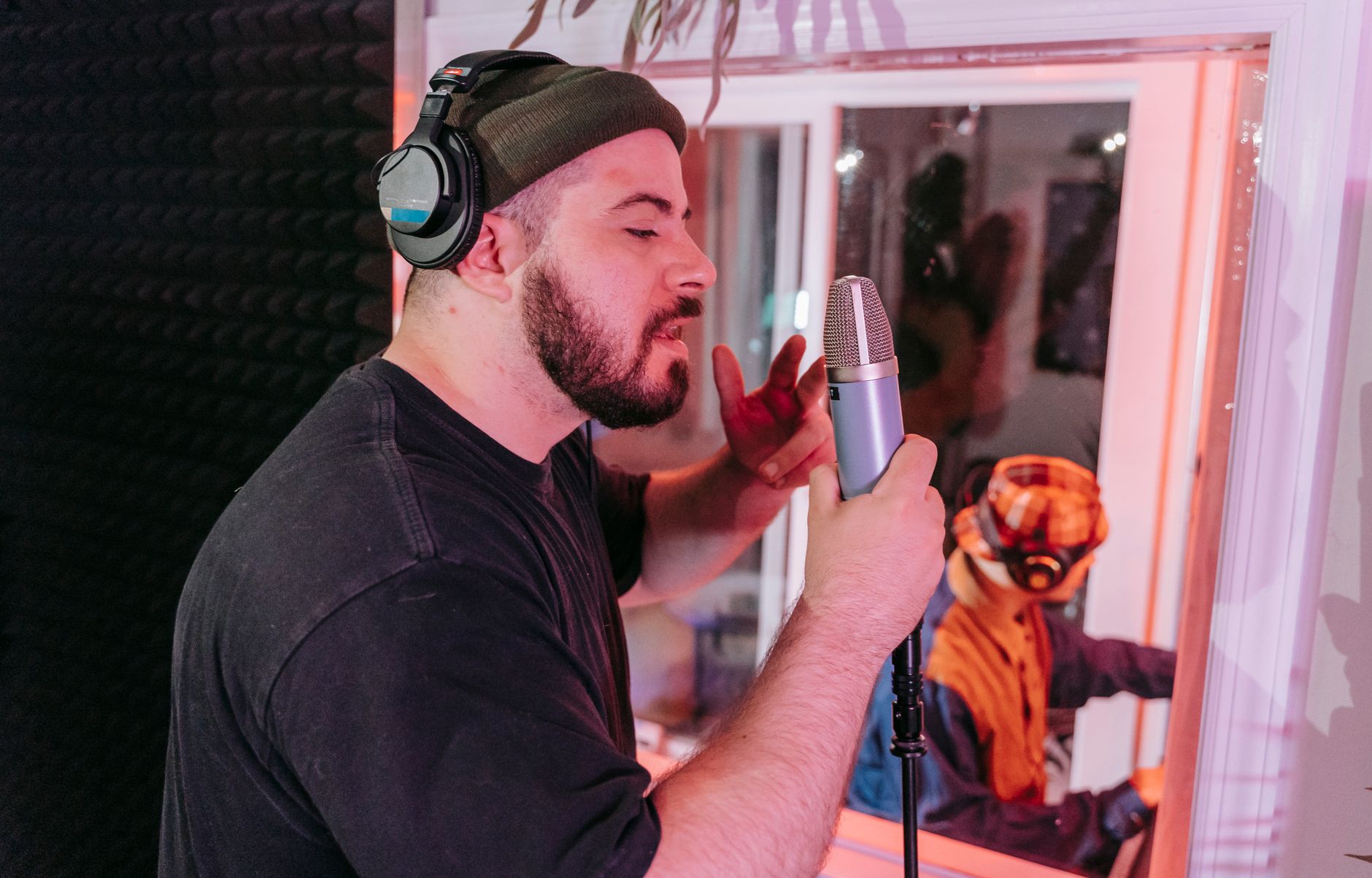
Picture a singer-songwriter in Nashville who signed with a small label a few years ago. The contract gave the label the right to license her recordings in every format, current or future. She read that line once and never thought about it again. Then an AI music company starts shopping for catalogs to power its tools. The label's phone rings. Hers does not.
If you work with a label or a distributor, find out whether they have signed, or plan to sign, a deal with an AI music company. Then get your consent written into your contract. Until it is written down, a promise that you can opt out is only a promise.
Your label or distributor may be deciding this without you
People who advocate for independent labels expect every label and distributor to face this choice soon. Some already have. Warner, for one, has made deals with some of these companies. Several of the deals are public, so you can look them up.
Products built on those rights are expected to reach ordinary listeners within the next few years. When they do, the tools will use the music the companies licensed. Nobody can say yet exactly what that will look like.
Many of these deals are described as opt-out for artists. That sounds protective. But inside a large system, things can happen that were not supposed to happen. So the question to ask is simple: am I in any of these deals? Musilock generates recording agreements and sends them for e-signature, and a clause on AI use fits in one of them. That is the place to settle it.
An opt-out promise is only as good as your contract
Contracts signed before AI music tools existed usually say nothing about them. A broad licensing clause may still be read to cover them. If the document does not say no, your label may argue it already has the right to say yes.
The safer wording works the other way around. Nothing involving your music and AI happens unless you agree first. It should apply even if your label or distributor signs a deal with an AI company later. That is opt-in consent, and it is a short clause.
Five questions to put to your label or distributor in writing
Email beats a phone call here. You want an answer you can point to later.
- Is any of my music covered by an AI deal today?
- Is it opt-in or opt-out for me, and where is that written?
- Does the deal cover my voice, name and style, or only the recordings?
- Can I pull out later, and what happens to anything already made?
- What do I get paid, and how will it be reported to me?
If the answer to the first question is no, ask for that in a signed amendment. A reply that says "we have no plans" is not the same thing.
Your voice needs its own line in the contract
Owning or licensing a recording is one thing. Your voice, your name and your likeness are another. Industry advocates stress this point when they talk to AI companies: respect has to cover the artist's likeness and essence, not only the audio files.
Check your name and likeness clause. Many contracts let a label use your name and image to promote your records. That is normal. But promotion should not stretch to a synthetic version of you singing something you never recorded. If the wording is vague, ask for a sentence that rules it out.
Saying yes can be a good move if you choose it
None of this means you must refuse. These services are expected to want artists who are willing to work with them. For some musicians that will be a real opportunity, and the decision is yours to make.
What matters is that you understand what you give up and get something worth having back. Settle the payment, the credit, the limits on use and an end date before you agree. Saying yes on your own terms is very different from finding out you were opted in.
Do not wait for the law to settle this
Lawmakers are working on it. A bill called the CLEAR Act has been introduced, focused on consent, labeling and fair use questions around AI. The White House also put out a statement that shook up the debate. Nobody can say yet where any of it will land.
Your contract is the part you control today. If you are about to sign with a label, or your current deal is silent on AI, write the consent clause now. Musilock can draft the agreement and send it out for signing, so the question gets answered before the phone rings.